RID 2027: when to replace drivers’ instructions and what else to review
Do all copies of the instructions in drivers’ cabs need to be replaced in January? RID 2027, published by OTIF on 19 November, allows operators to schedule the change throughout 2027. The driver, the training manager and the dangerous goods safety adviser each have a part to play.
Three dates for the changeover
- 1 January 2027RID 2027 takes effect.
- 30 June 2027Last day of the general transitional period for carrying goods under RID 2025, unless a specific provision applies (1.6.1.1).
- 31 December 2027Last day for using instructions in writing that conform to the RID requirements applicable up to 31 December 2026 (1.6.1.58).
What changes in the instructions in writing
The model in 5.4.3.4 runs to four pages. The first (5-40) sets out the actions to take in an accident or incident. OTIF highlights changes in yellow on the following three pages. Select an image to read the original English page at full size.
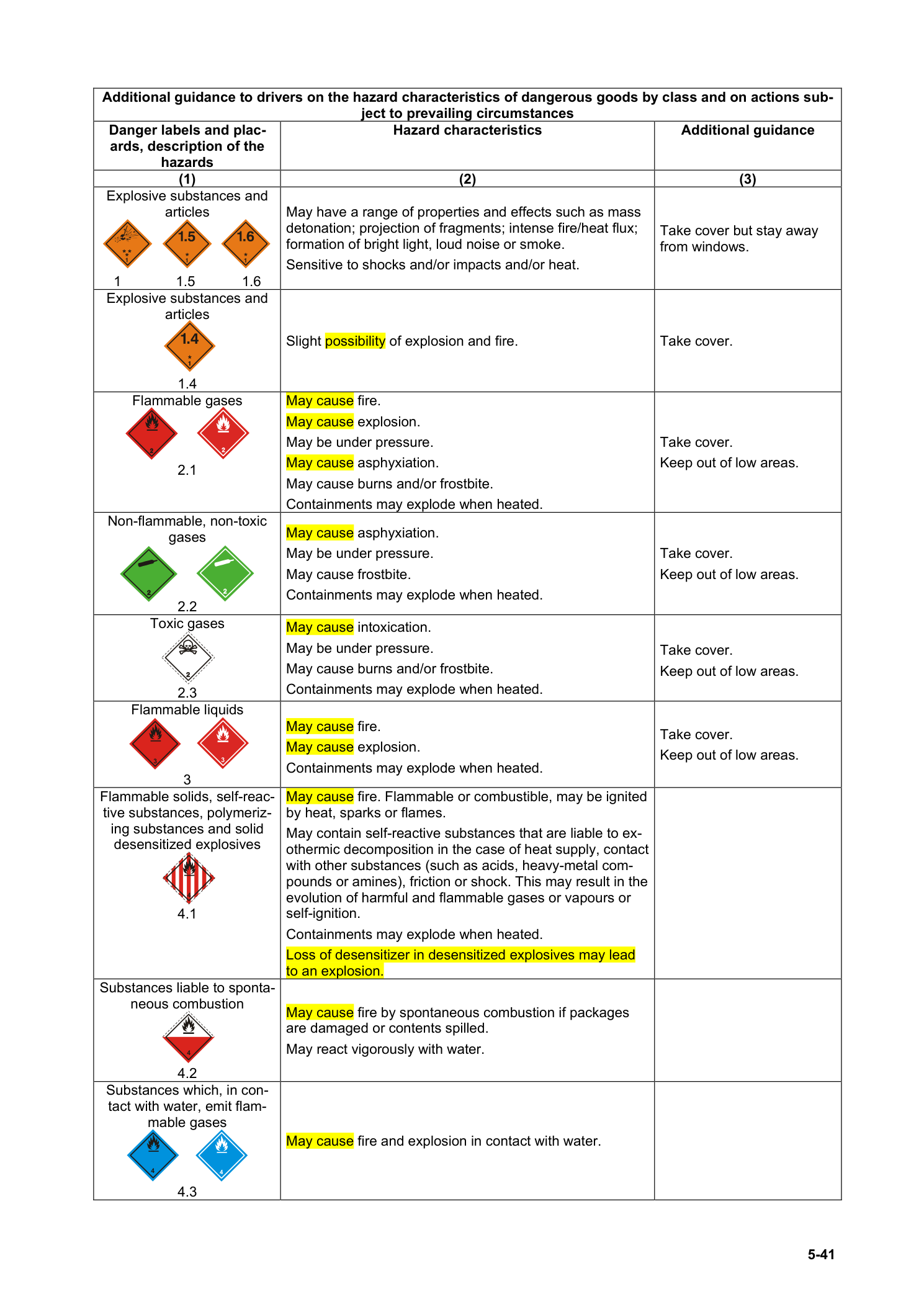
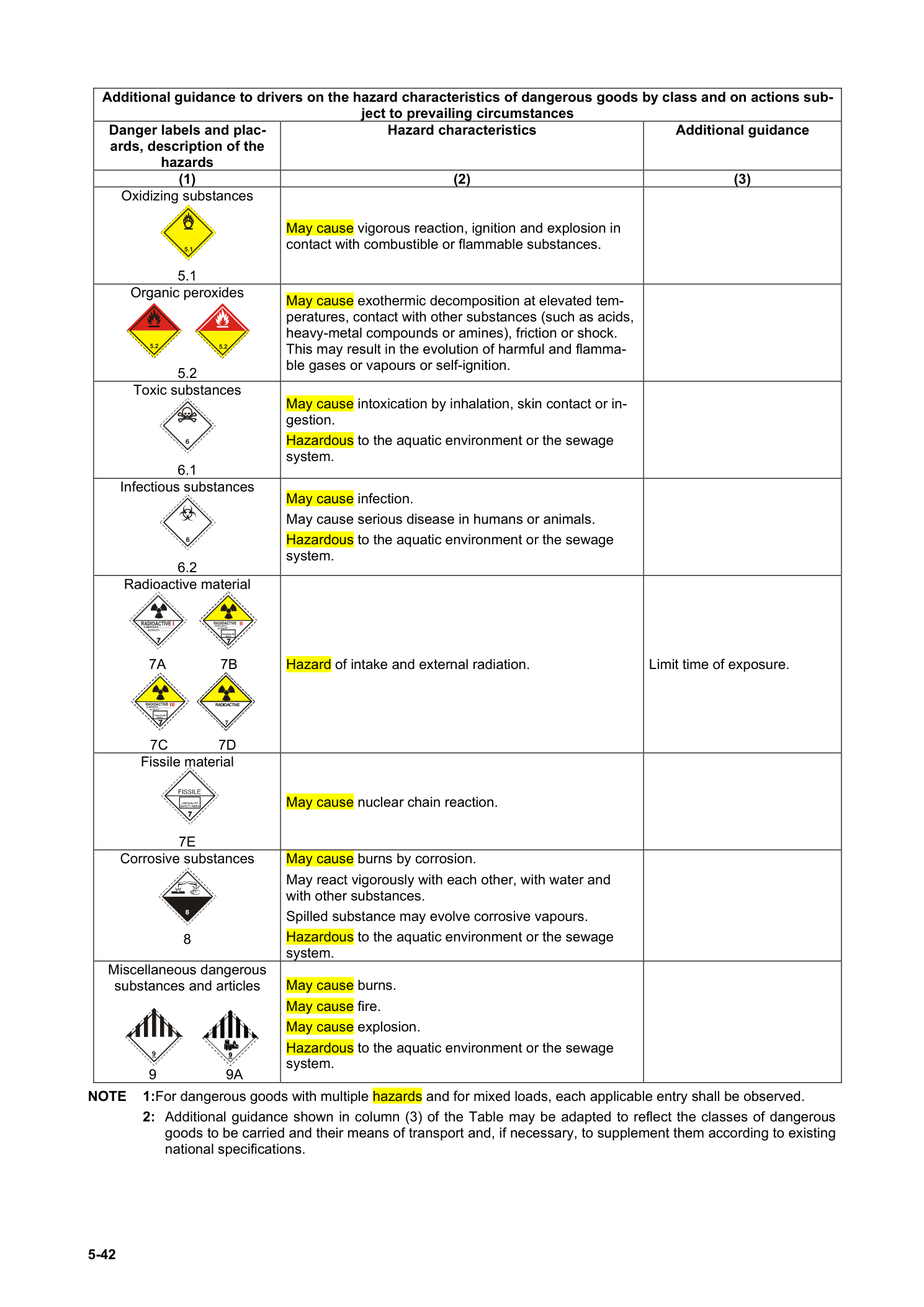
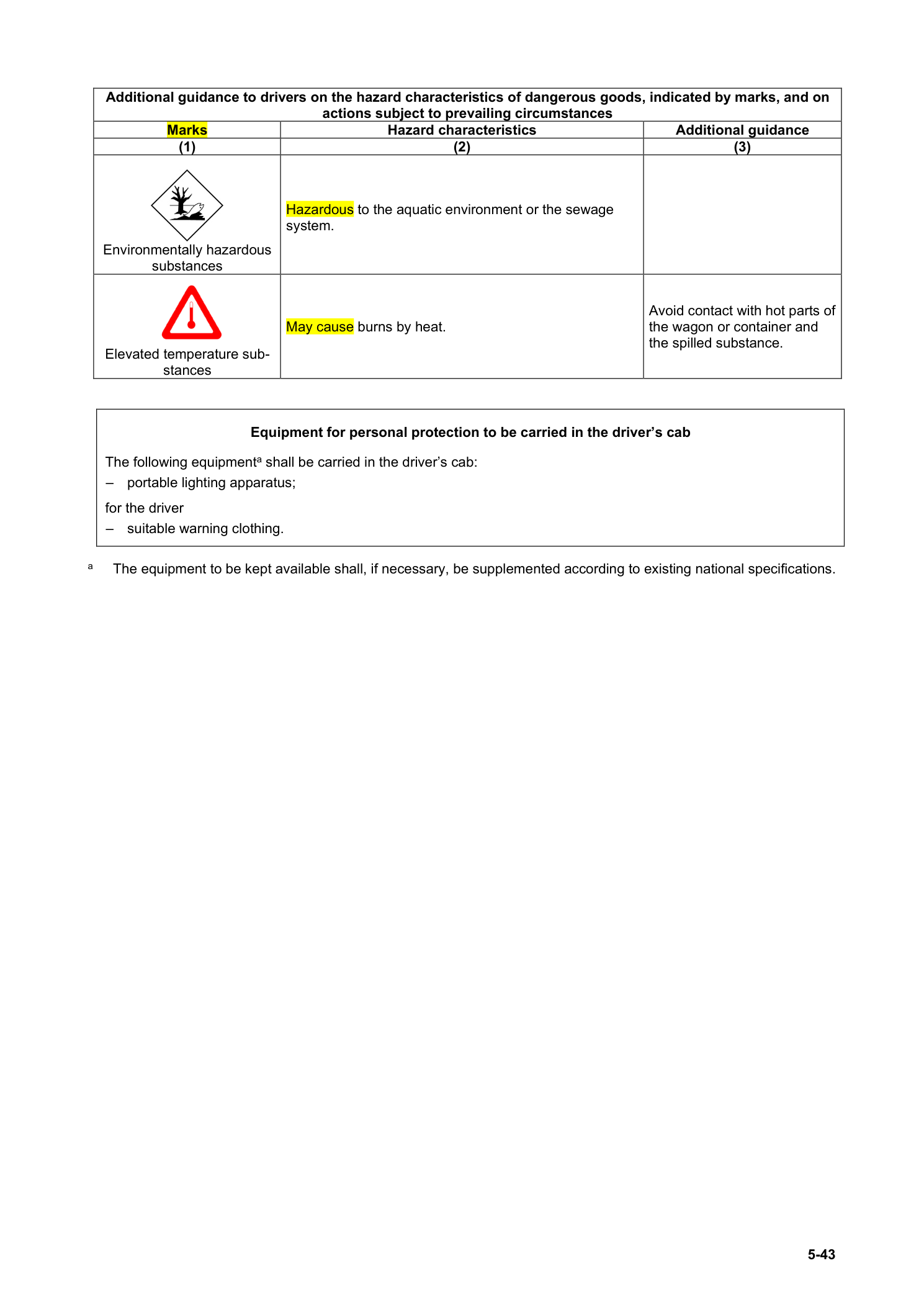
Images from OTIF, RID 2027, 5.4.3.4. Yellow highlighting is reproduced from the original edition.
Other changes affecting rail operations
Batteries installed in cargo transport units
Table A distinguishes lithium metal batteries (UN 3563) and sodium ion batteries (UN 3564) installed in cargo transport units. UN 3536 covers lithium ion batteries installed in these units. New provisions also address hybrid batteries combining lithium ion and sodium ion cells.
Used equipment and packagings containing residues
Paragraph 2.1.5.7 sets conditions for sending certain used equipment containing dangerous goods residues for repair, inspection, maintenance, disposal or recycling. Paragraph 4.1.1.11.2 covers certain empty, uncleaned drums and intermediate bulk containers (IBCs) over 150 litres carried for disposal, recycling or material recovery.
Wagons and WE equipment codes
Where column 14 of Table A specifies a WE code, 7.1.2.2 identifies the equipment concerned and refers to the technical prescriptions for freight wagons (UTP WAG). Operators can use these references to check the equipment on the wagon assigned to a consignment.
Training records and the transport document
Paragraph 1.3.3 clarifies who must retain training records. For waste in tanks, if the exact quantity cannot be measured at the place of loading, 5.4.1.1.3.2 allows an estimate subject to its conditions and exclusions. A device or procedure must ensure compliance with the prescribed degrees of filling.
What to review in your undertaking
Identify the copies held in drivers’ cabs, set a replacement date and record the refresher training. The carrier must give the driver instructions in a language they can read and understand, and make sure they can carry them out (5.4.3.2).